日本語
日本語 English
日本語English
English
日本語English
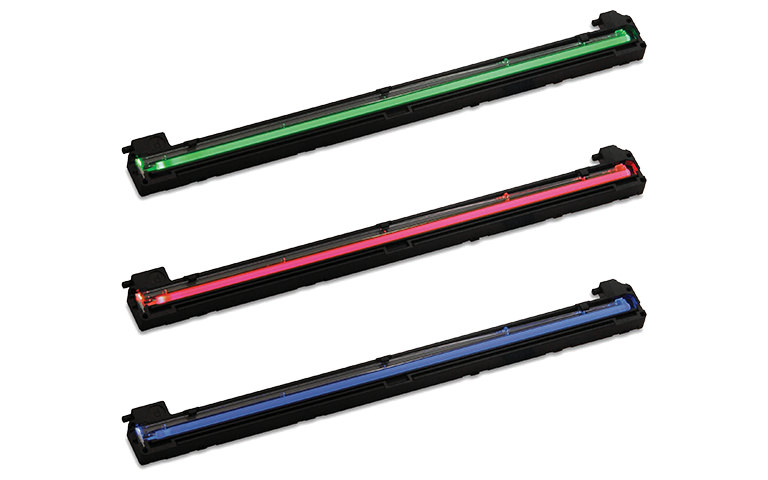
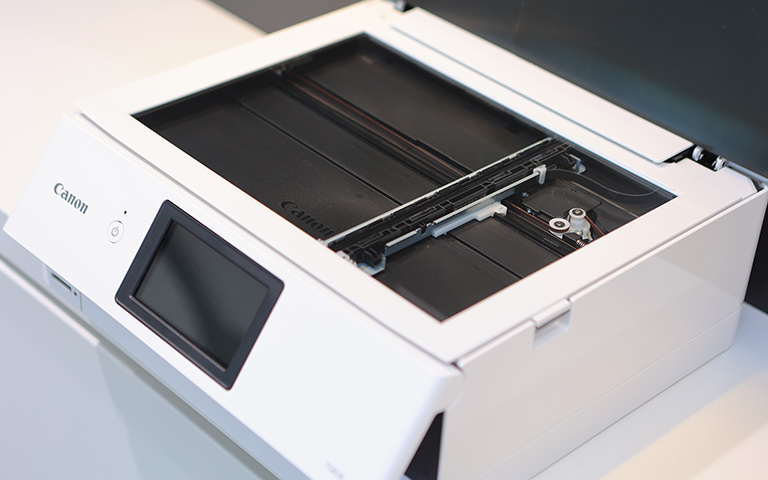
Contact Image Sensors (CIS) are compact imaging sensing devices that integrate illumination, optics, and image sensors for high-quality precise document capture.
Widely used in multifunction printers and copiers, CIS technology enables precise and reliable imaging.
Positioned close to the document surface, CIS enables 1:1 imaging with low distortion, delivering high-precision image capture.
The integrated design supports compact equipment and stable performance, while Canon Components’ proprietary optical technology ensures uniform illumination for applications such as office equipment, Banknote handling system and industrial surface inspection.
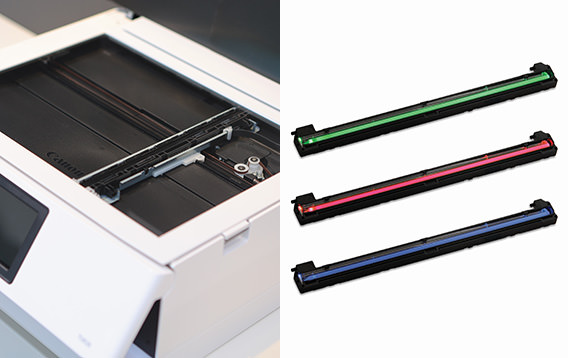
CIS, which stands for contact image sensor, is an image reading sensor using LEDs as the light source with integrated lenses and sensor ICs for imaging. Our CIS is used as image reading devices in a wide variety of products, since it is easily integrated into the products.
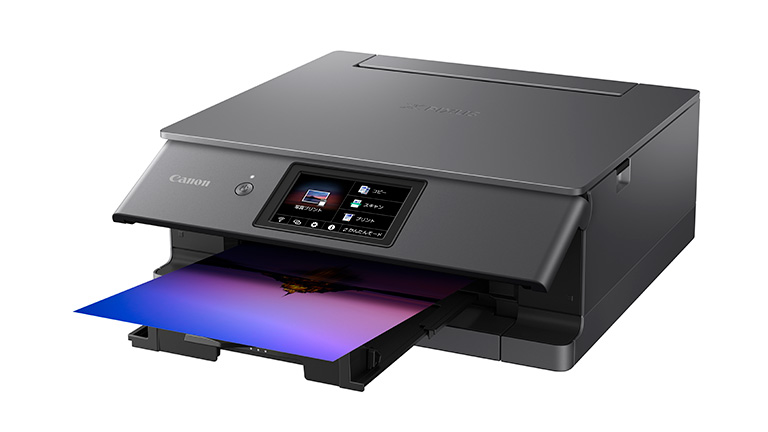
Multi-Function Inkjet Printers
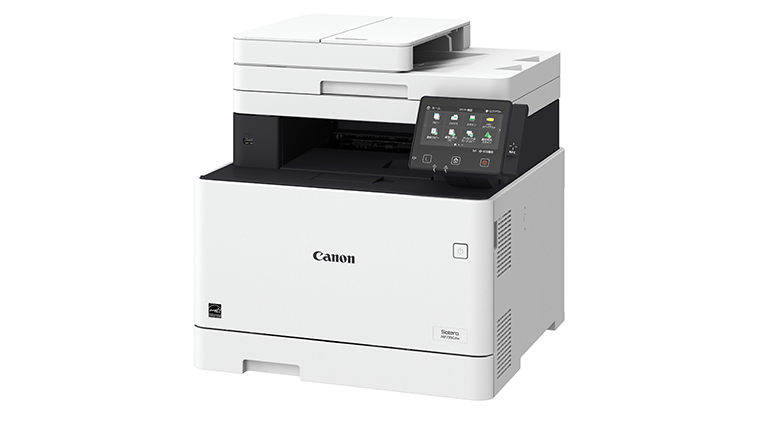
Multi-Function Laser Printers
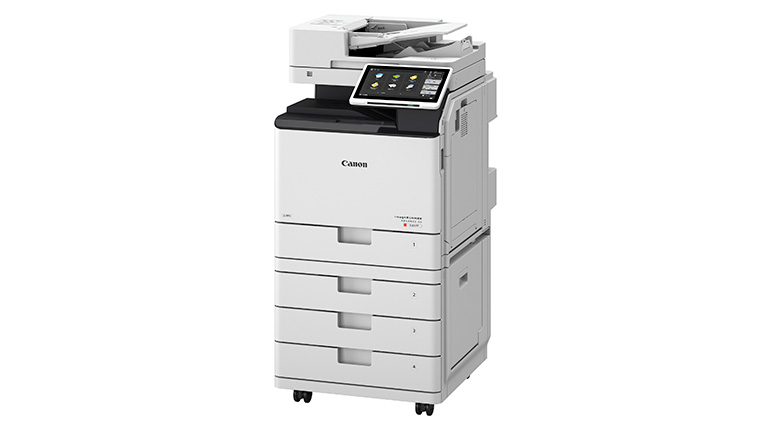
Digital Network Multi-Function
Printers/Copiers
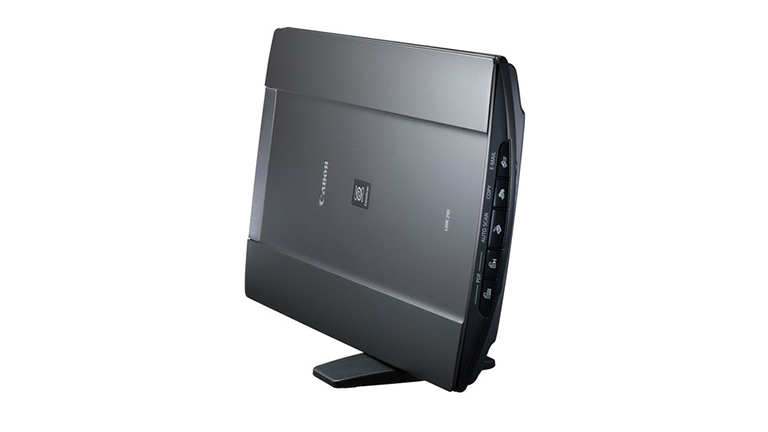
Image Scanners
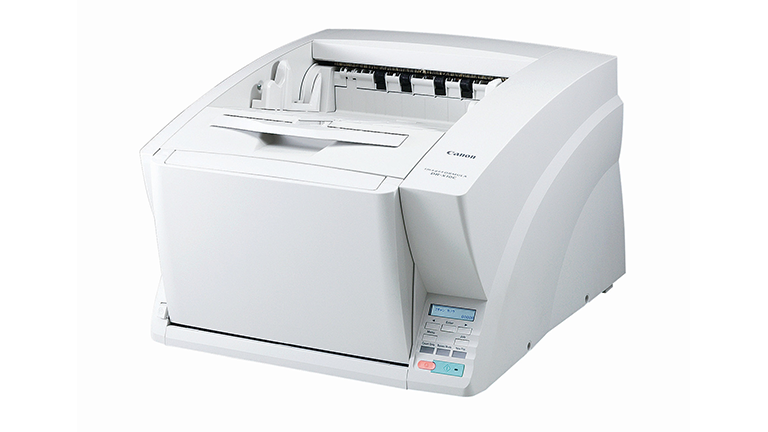
Document Scanners
In order to secure enough LED light in its CIS, Canon Components tirelessly researches and develops the LED instllation angle, the shape of the light guide directing the LED light towards the document, and other aspects, thereby making it possible to utilize light sources in an ideal manner. In addition, we have acquired a large number of related patents.
CIS consumes less than a tenth of the electricity used by CCD-based image reduction systems. Not only does this represent a major environmental benefit, it also plays a major role in enabling USB bus powered scanners that do not require an AC power source. Additionally, the scanning component is 1/10 - 1/20 the size of CCD-based components.
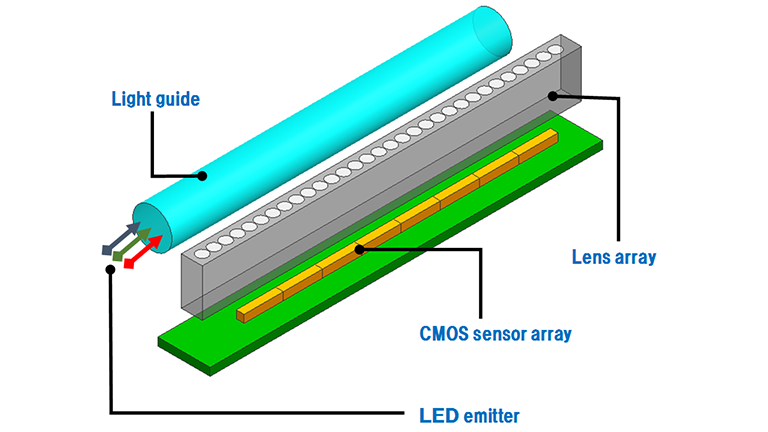
Light guide is the one of the essential component of LIDE technology.
Canon Components makes continuous improvements to meet our customers' strict feature requirements (brightness, uniformity, depth of illumination, etc.), based on our proprietary, time-proven technology.
The precision of the light guide design is improved through the full use of optical simulations, which have also reduced the use of prototypes and the time required for development.